




Worthy of A New Beginning
Unspoken Expectation
The start of a new year often comes with quiet pressure, the unspoken expectation to improve. We promise ourselves discipline. We curate goals. We speak affirmations into a mirror in attempts to validate our worthiness. We create resolutions as if transformation is a transaction we can manufacture through willpower alone. But faith leads to a different story. Not to reinvent, but to seek a closer walk with God.
Momma’s Words
In March 2023, the Lord called my mother to rest. What propelled me out of stewing in grief and sustained my joy are her prayers, her wisdom, and the truths she spoke with both tenderness and authority.
She would often say, “We are nothing but filthy rags in the sight of God. There is nothing we can do to earn His love. But we can thank Him for His grace and mercy, knowing He does not treat us as we deserve.
Then she would follow it with a warning that was with authoritative love:
“Now don’t mock God by thinking you can do just whatever. Grace does not cancel consequences.”
With this new year, her words resonate in my consciousness. Worthiness isn’t about perfection or moral performance. It’s about humility, knowing we are loved beyond measure and still accountable for how we live. Those truths frame the message of Hosea perfectly: grace is real, mercy is abundant, accountability is not optional, and redemption is always possible.
A Wayward Nation
The Book of Hosea tells an unflattering and uncomfortable story that is about how Israel repeatedly violated its covenant with God. The nation was politically unstable and spiritually rotten to its core.
Israel was deeply religious, but not deeply faithful. Sacred rituals continued uninterrupted, offerings were made, and temple activity flourished. Yet beneath the surface, the nation was unraveling. Political leaders and priests were driven by greed and corruption. The poor were exploited, foreigners were mistreated, the judiciary was tainted, and businesses cheated and dealt with bribery. Sexual impropriety, including ritualized prostitution tied to idol worship, was normalized. People placed their hope in political alliances with pagan nations, believing power and protection could be secured apart from covenant faithfulness. Worship was performative, detached from obedience and compassion.
What makes Hosea’s message uncomfortable is how familiar it feels. It is hard not to see a modern echo in our own context, where Christian identity is often cosplayed loudly and unrighteously proclaimed while the vulnerable are mistreated, nationalism is baptized as faith, and allegiance to political power replaces the ways of God.
The Cost of Obedience
God often teaches spiritual truths through our lived experience. Hosea’s life makes that painfully clear. His very name means salvation, yet God called him to a ministry that would break his heart. Hosea was faithful, compassionate, emotionally discerning, and obedient, yet God commanded him to marry Gomer, a woman known for promiscuity.
This was no ordinary marriage. It was meant to teach Hosea, in the most personal way, the grief, heartbreak, and righteous anger God feels toward a people who turn away from Him. Hosea’s heart would mirror God’s: steadfast love confronted by betrayal. In this union, Hosea symbolized the faithful God, while Gomer represented the people who repeated spiritual unfaithfulness.
Reflecting on Hosea’s obedience, I ask myself: how willing would I embrace a life I knew would be of suffering, pain, or public shame to serve God’s purpose? To step into a calling that I deem undeserved, unjust, or difficult to embody all for a truth larger than myself.
Hosea faced immense pressure and disgrace in marrying a woman of ill repute, especially in a society that placed great value on purity, a pressure we can still recognize in our world today. And yet, he chose obedience, making his life a living metaphor for God.
Uncertain Identities
Hosea’s call wasn’t just to marry Gomer. God told him to have children with her, giving each a name that symbolized His relationship with Israel. The first child, Jezreel, meant “judgment is coming.” The Bible says plainly, “Gomer conceived and bore for Him a son.”
Born next was Lo-Ruhamah, meaning “No Mercy.” But this time, the text doesn’t say she “bore him”; it simply says she conceived and gave birth to a daughter. The final child, Lo-Ammi, “not my people,” was conceived and born, again the wording doesn’t say she “bore him a son.”
Scripture subtly shifts its language with each child, leaving unanswered questions about their paternity. The ambiguity itself speaks volumes. Whether biological or not, Hosea raised children whose very names carried messages of judgment, loss, and distance from God. Obedience came with a personal cost, a daily reminder of betrayal and heartbreak.
On the Run
After Hosea obeys God, Gomer eventually leaves him, returning to her old life of promiscuity. Imagine the sting: the woman he loved, the mother of his children, walking away as if their bond meant nothing. Most of us would think, “Enough is enough. How much more can one endure?”
And yet, God tells Hosea to go after her, to redeem her, to love her again. He must buy her back with 15 shekels of silver and some barley, a clear sign she was likely sold into slavery or under the control of another man.
I can’t imagine the pain this caused. To willingly reach out to someone who has caused shame and heartache….to purchase her, to embrace her again.
The “WHY”
Pause and imagine Gomer, not just as a parallel in scripture, but as a real woman with a real story. She is referred as a woman of whoredom, which leads many to assume she was a prostitute. Yet the bible gives us almost no other details about her life, her heart, or her pain. Who was she beneath the surface? What invisible wounds shaped her choices?
Each of us carries a “WHY”, the hidden story that drives our decisions and shapes our struggles. Was Gomer abused? Did she feel trapped, believing she had no other way to survive? Could it be that, while her body moved freely, her mind and spirit were bound by fear, shame, or the weight of her past?
Her actions, returning to a life that brought chaos, leaving Hosea and likely her children behind, reveal the grip of unhealed pain. Trauma can pull us back into patterns we long to escape, no matter how much we want to be different. Outward appearances and social standing cannot cover what lies inside. Simply put, you can’t out dress trauma!
The Pain of Sin and Destructive Behavior
Of course, my Momma was right: God extends grace, but there are consequences for disobedience. The people of Israel learned this the hard way. Their repeated rebellion led to wandering in the harsh Sinai Desert for 40 grueling years, a journey meant to take only weeks. They faced devastating plagues, droughts, and famine. Later, they fell under the oppression and conquest of powerful empires like Assyria and Babylon, suffering exile, loss of land, and the scattering of families across foreign lands. But perhaps the most painful consequence of all was the absence of God’s presence among them.
Gomer’s repeated unfaithfulness mirrors this same pattern on a personal scale. Leaving Hosea, returning to a life of chaos and destructive behavior, she experienced the personal cost of unhealed pain. Just as Israel’s sin led to exile and loss, her choices created distance from love, stability, and the grace God intended for her.
One for Forgiveness, Two for Reconciliation
The book of Hosea doesn’t shy away from hard truths of brokenness, judgment, and the consequences of Israel’s fractured relationship with God. But if you linger to the end, you find a message that lifts the spirit: hope, restoration, and the masterful way God blends justice with mercy. No matter how far we wander, He offers a path back to redemption.
Just as Hosea redeemed Gomer with silver, God redeemed us with Jesus Christ, whose sacrifice on the cross paved the way for our reconciliation with Him. One of my friends once said, “It takes one to forgive, but two to reconcile.” God provides forgiveness and redemption freely—but reconciliation requires our willingness to take part, to engage, and to step into the healing process.
Like Gomer, many of us struggle with this journey. Our past mistakes, family backgrounds, traumas, and feelings of unworthiness can make it hard to seek God’s redemption. But a sincere heart, genuine remorse, and a conscious effort to align with God’s will open the door to what I call a “Confident Identity” in Him.
A New Year, A New Beginning
Every year, we set resolutions. And often, by mid-year, old habits return…at least that is my story. That’s our imperfect nature. But reconciliation with God is never a one-time event. His perfect love invites us to repent, return, and begin again.
Each turn toward Him is a fresh start. Each step back is restoration. And that is what makes us worthy of a new beginning, not perfection, but grace.
For a more in depth understanding, read Hosea chapters 1-14.
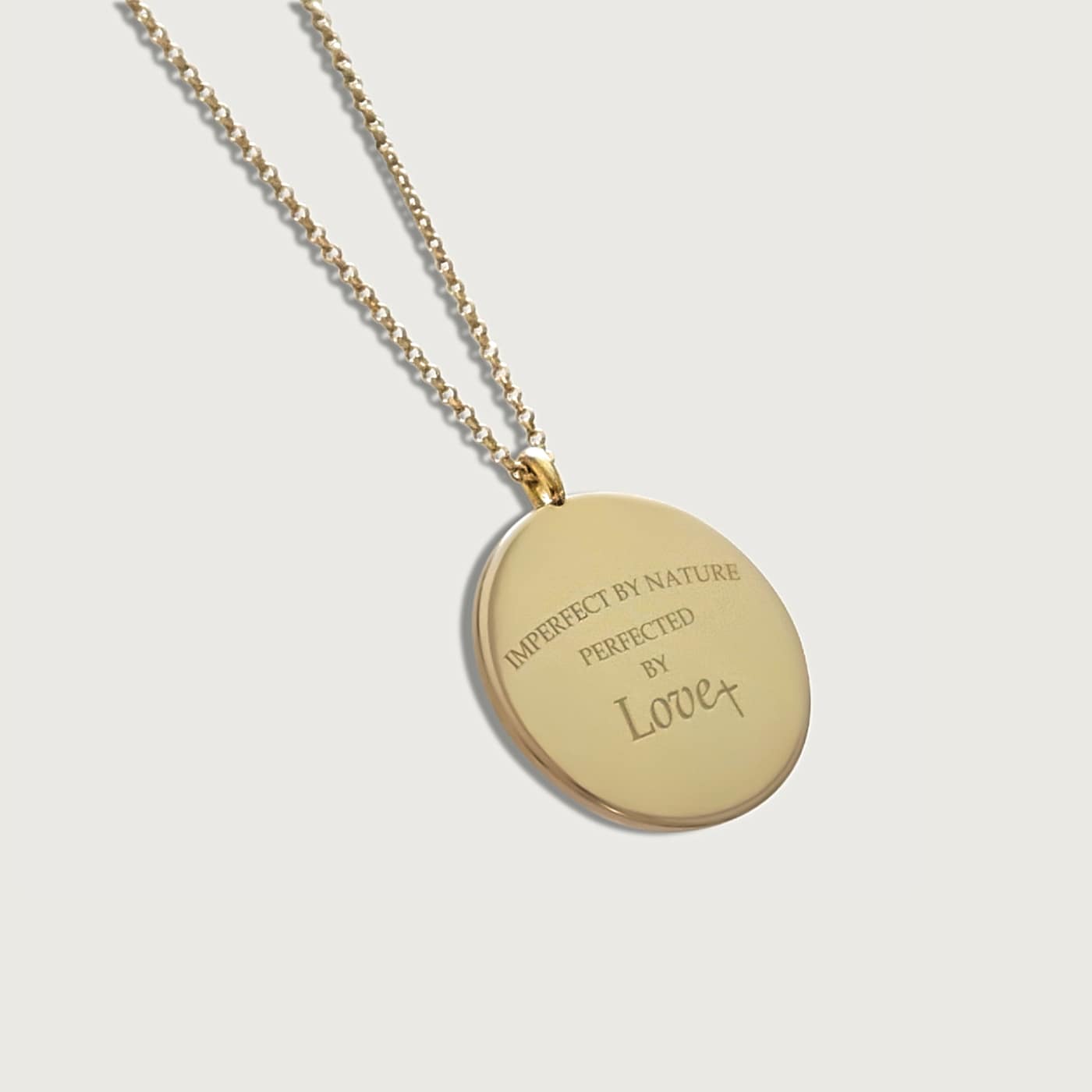
#ConfidentIdentity #ImperfectbyNaturePerfectedbyLove #Worthy #Redemtion
Forever,
Cornwell's Girl

Written by Cornwell's Girl





Leave a comment
This site is protected by hCaptcha and the hCaptcha Privacy Policy and Terms of Service apply.